
Cyprus
a poem

My father didn’t forget
the smell of tomato vines
in the early morning sun,
as his Dede showed him how
to water the patch.

In that hour before school,
cycling to the bandabuliya
to buy the helva for breakfast,
he did not know
that the hands which held his
around the mouth of the hose
would soon be gripping papers
at passport control.
Efe, the village big man,
meek of his own frame
jostled by nervous bodies seeking asylum.

My father didn’t forget
how he cried, back from school.
But how could Efe
(who made a cow disappear overnight
and a whole village fear his vengeance)
have told his grandson, ‘be brave’(?)
when it turned out Teshkilat was just a word
for villagers arming themselves in defence,
and Enosis was bigger
than all their big men.

My father didn’t forget
how they collected shells in their garden
and played dodge the bullet or you’re dead.
Nor the first corpse he ever saw
in the cyan shadows of a neighbour’s corridor,
squinting through the door ajar
on sun-bleached street,
as they burial-bathed the body
without ululations.

My father didn’t forget
a time when there was nothing yet more frightening
than the crazy twins in the walled house
and a lashing from his father.
And of not knowing
what an irreplaceable thing
is an okka of their village helva
in bide still warm
from the morning-fired fırın down the street.

My father didn’t forget
an air-raid night at the hammam
which the widow ran;
mothers and children sleeping
side by side on the tiled floor,
dependant on the kindness
of Efe’s paramour.
And then trying to be the eldest,
on the long drive to Nicosia,
in the back of a Red Cross van.
Aid workers scrambling to pacify
the daughter of Efe,
with venom for border control guards from Greece
and little fear for the baby
(of name and birth month mis-recorded
at the civil registry office across a warzone.)
‘Go back to your country!’
she railed.
Lucky she was quite fetching,
and her ‘low’ Greek
(perfectly intelligible to her Urum neighbours,
thank you very much)
was all Greek to them.

Then came England
which gave with a spoon
what it took with a ladle;
and people told them,
‘go back to your country.’

My father learned to speak twice.
And he’s sitting now on a low wall
at the Valley of the Kings,
telling of how they chased buzzards here as boys
and vandalised ancient mosaics,
to the sound of the sea churning.
And he’s bearing well the indignity
of their home turned into a resort
for British pensioners,
and settlers
from a country they call ‘Israel’
so it doesn’t sound stolen.

And to everyone who asks where he’s from,
My father says, ‘right here. Paphos,’
pointing at the distant hilltop
where a house still is,
which Efe built.

A decade ago,
my Gran (Allah rest her)
knocked on its door,
and a stranger invited her in
to sit in her kitchen.
He was from Famagusta, he said.
In the time it took to sip
a findjan of (Turkish) coffee to its dregs,
did she bury in her heart his story
(next to all those things we cannot solve)
and entrust the whole thing to God?

But my father didn’t forget
the smell of those tomato vines,
nor the helva, unlike any other,
for the rest of his life after.
(2024) 2025
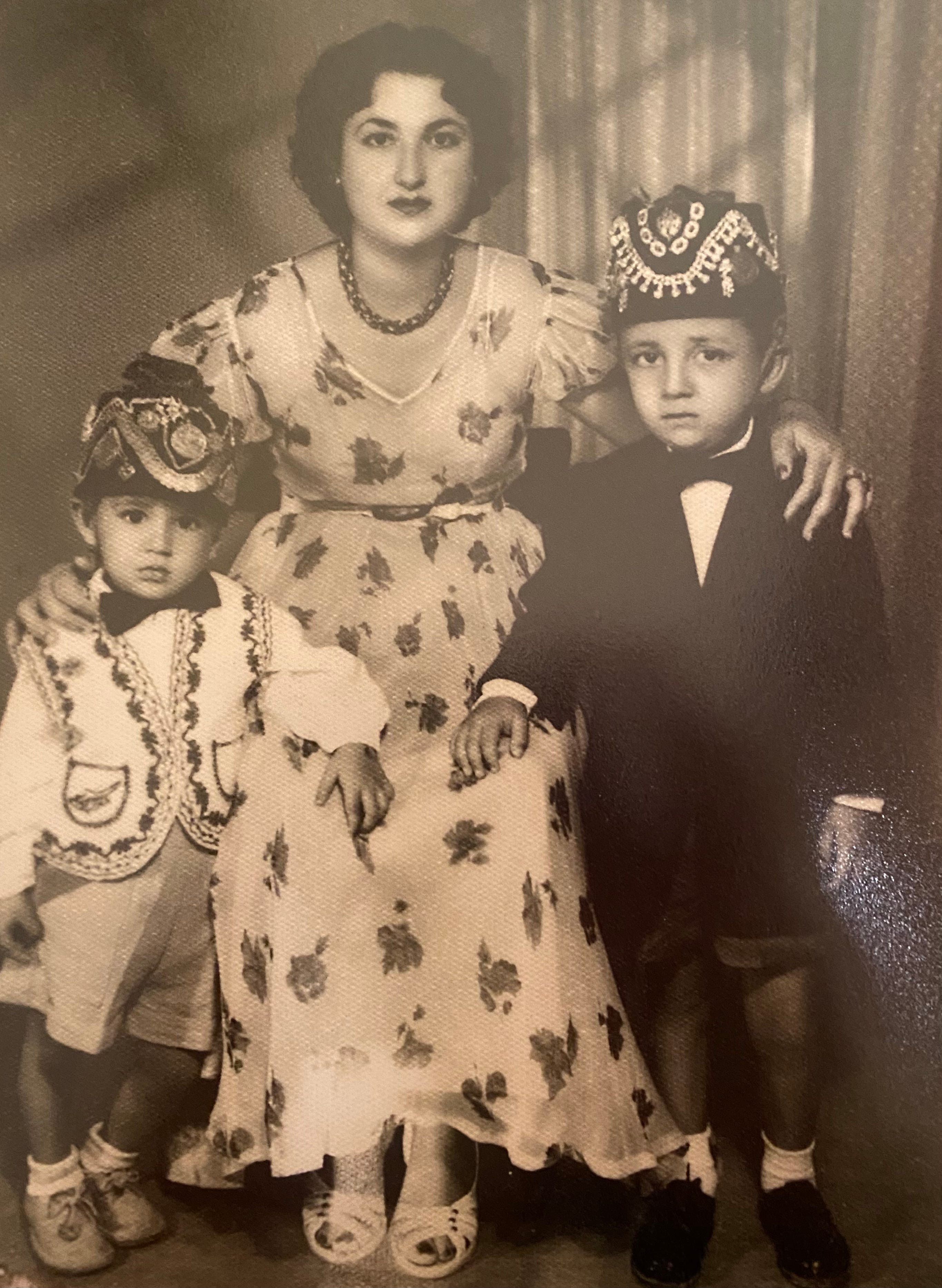
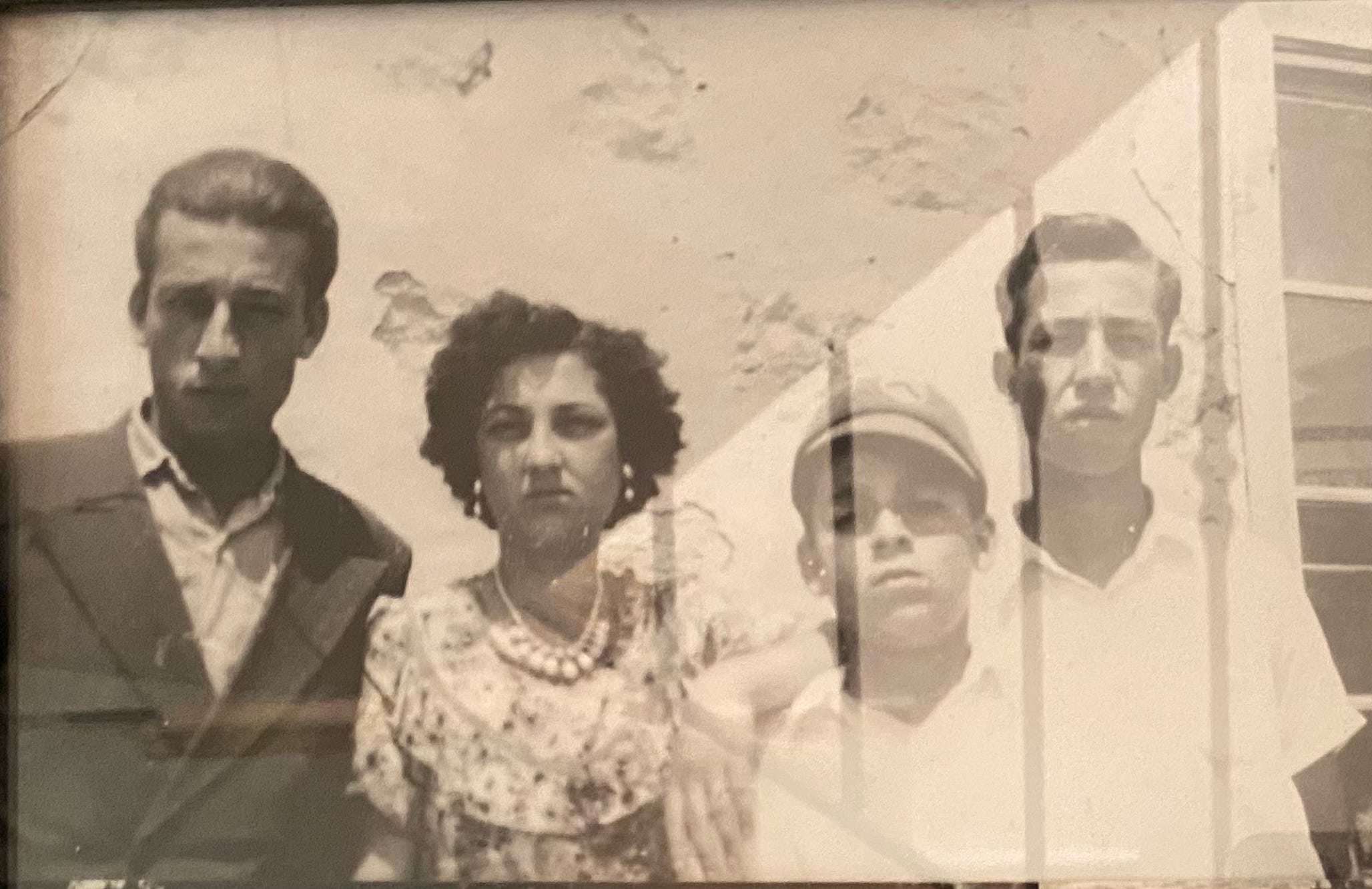
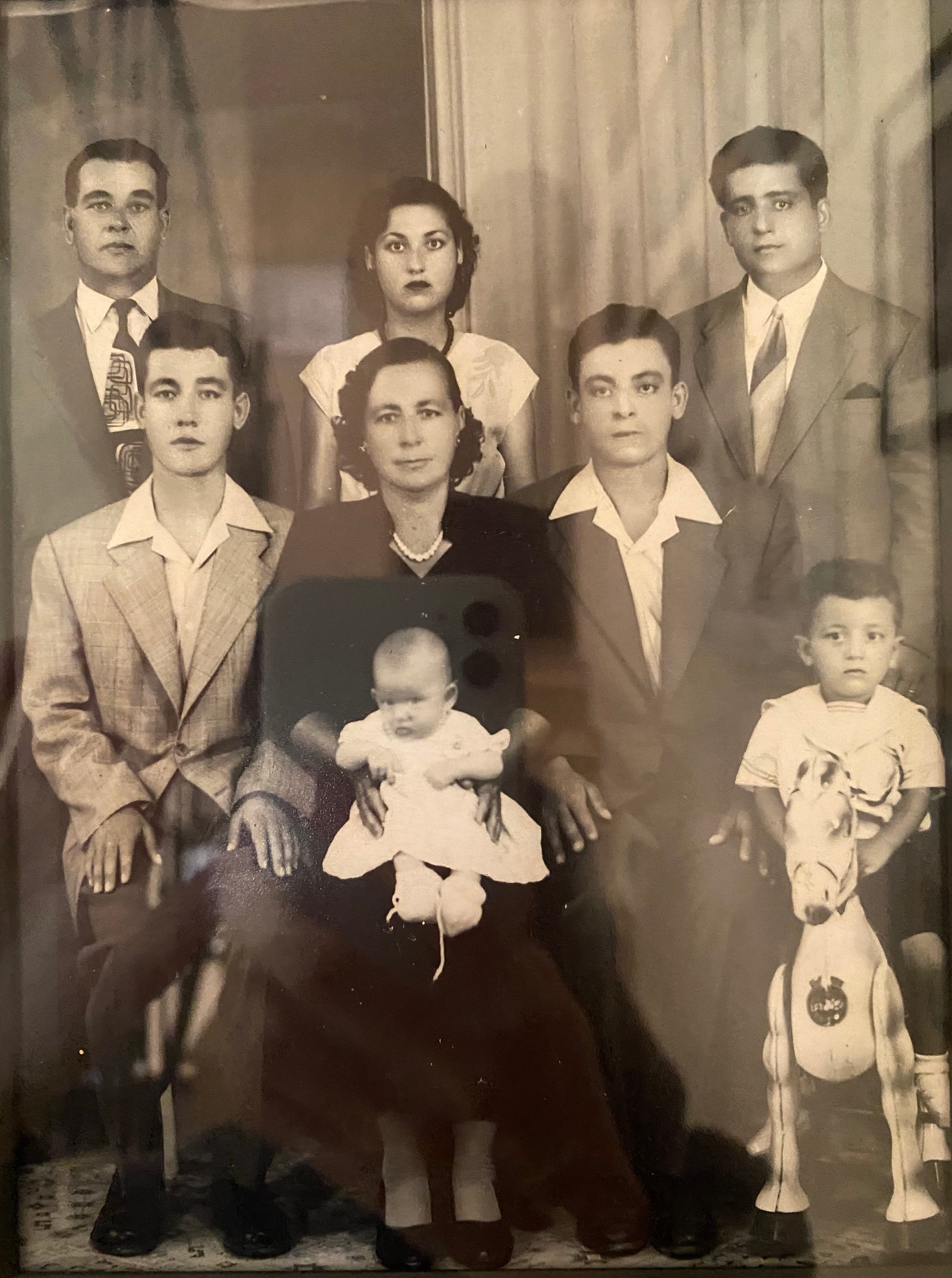
This was a lot. Wow. So much family history. How sad is it that so many can relate to your father's experiences. My own gramma had to flee Burma with my dad and some nearly 10 children at that time (she had 14 in total), all alone while my grandad tried to wrap up things and followed soon after. Fortunately for them, they actually got to go back home to India.
A STUNNING poem mashallah, dripping with remembrance. Mabrouk!